
Large current terminal blocks are specifically designed for high-current applications and are widely used in various electrical and electronic devices and systems, such as construction machinery, elevators, textile machinery, manufacturing equipment, and more. Their core application industries cover aerospace, defense, lighting, and oil and gas sectors.
Since large current terminal blocks play a crucial role in various power distribution operations, it is essential to select the appropriate large current terminal block for specific application scenarios. However, the numerous styles, sizes, and configurations of large current terminal blocks available on the market can make the selection process daunting. Therefore, identifying the key factors to focus on when choosing a large current connector is critical to successfully complete the selection process. The following sections will outline the core considerations to keep in mind during the selection process.
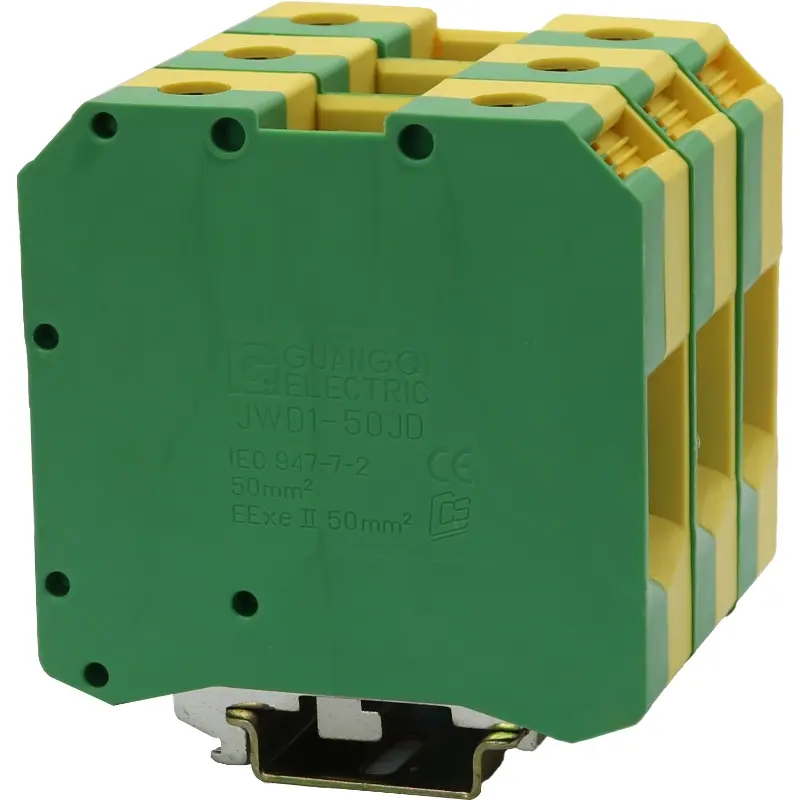
The first step in selection is to accurately assess the electrical requirements of the application environment:
The current carrying capacity should match the system's peak demand
The voltage rating should meet the highest operating voltage requirements
The environmental resistance should be suitable for the actual usage conditions
It is worth noting that the current carrying capacity is mainly influenced by the conductor cross-sectional area and the material of the conductive parts, while the voltage rating depends on insulation spacing and dielectric properties. Additionally, protective housings made of different materials can offer varying degrees of resistance to oil, high and low temperatures, oxidation, and more.
The testing standards and data release methods for large current terminal blocks may vary among manufacturers:
Carefully compare the technical documents of different manufacturers
Pay attention to parameters such as temperature rise that reflect actual working conditions
Understand the compatibility of testing conditions with real-world scenarios
It is particularly recommended to focus on the temperature rise curve, as it directly reflects the heat dissipation efficiency of the terminal block in actual work, making it one of the most reliable indicators of product performance.
Assembly method: integral and modular
Installation method: panel-mounted and rail-mounted
Wiring method: high current terminal and high current distribution terminal
Various environmental factors can affect the performance of large current terminal blocks. For instance, dust, moisture, gases, and vapors may cause internal short circuits in the terminal blocks; while high temperatures and vibrations can cause physical damage to the components, significantly reducing the structural integrity and lifespan of the terminal blocks.
Therefore, it is essential to comprehensively consider various environmental factors during the selection process to ensure that the chosen connector can withstand all environmental conditions during normal operation and under extreme conditions.
The total cost of large current terminal blocks includes not only the hardware cost itself but also the labor and equipment costs associated with assembly and maintenance. Although safety and performance are the primary considerations when purchasing, price will also impact the final decision. During the selection process, it is important to balance meeting component performance requirements and controlling budget constraints to choose the most cost-effective solution.
Leave a message!
 English