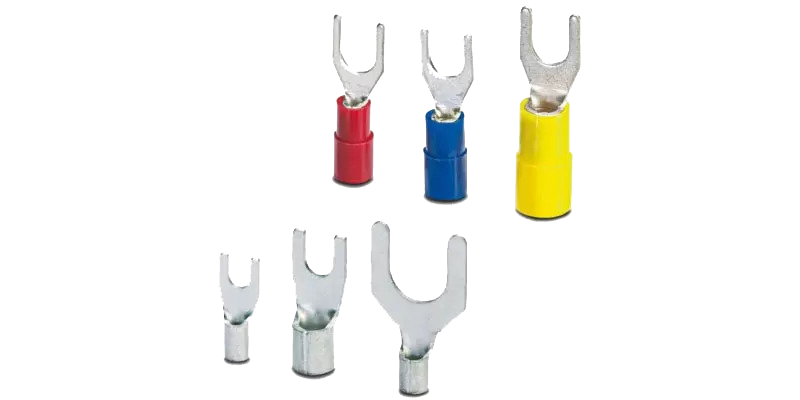
Only the highest quality material is selected.
Always apply the high accuracy mould and efficiency process.
Always put the cost efficiency and secure wiring into our research and design.

Safe and Stable Electrical Connection
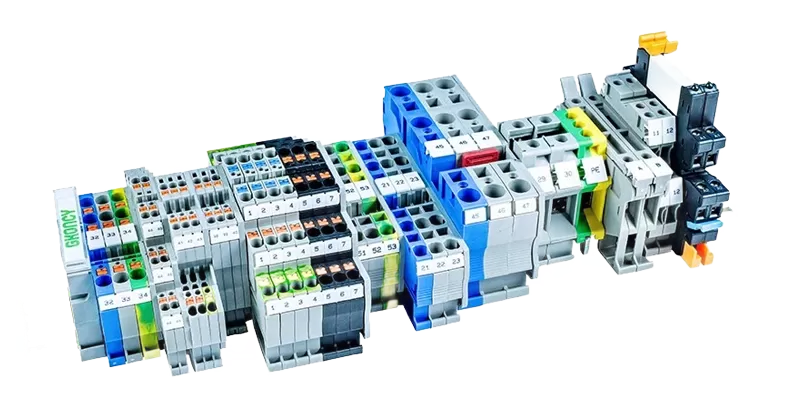
The new NZ plug-in terminal allows you to insert rigid conductors or flexible conductors with cold-pressed terminals directly into the terminal entry position without any tools, which is convenient and practical.
Easy Installation and High Efficiency
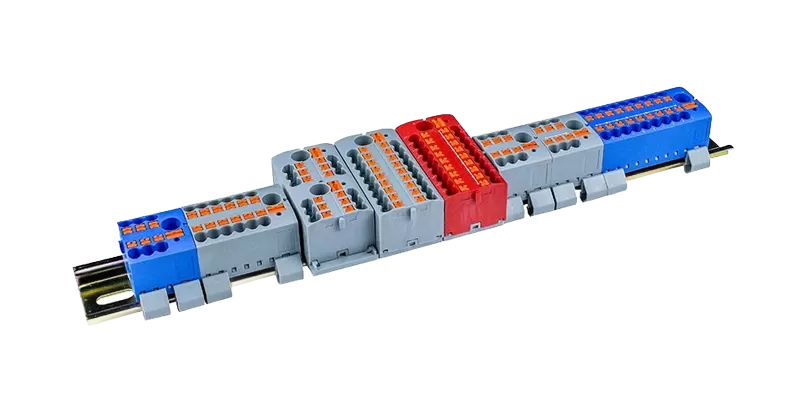
The modular design of the distribution block eliminates manual bridging, enabling quick installation and saving time.
The connection method reduces insertion force and facilitates direct insertion of rigid and multi-conductor conductors.
Durable and Cost-Effective
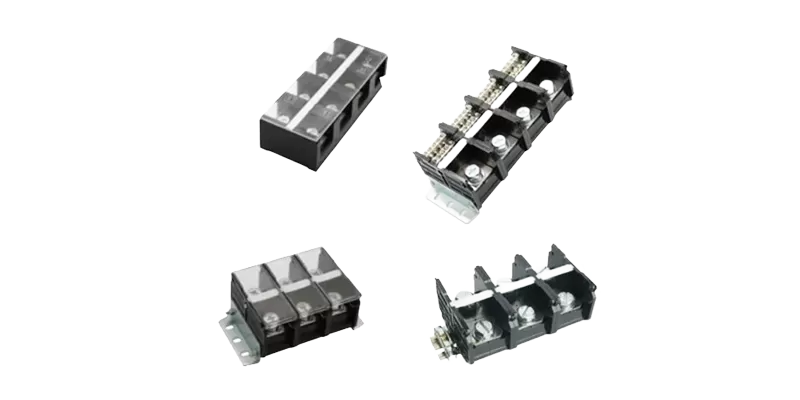
As a basic category in the field of electrical connections, economical screw terminals have the core advantages of simple structure, easy installation and controllable costs.
Shock-Resistant, Wear-Resistant and Corrosion-Resistant
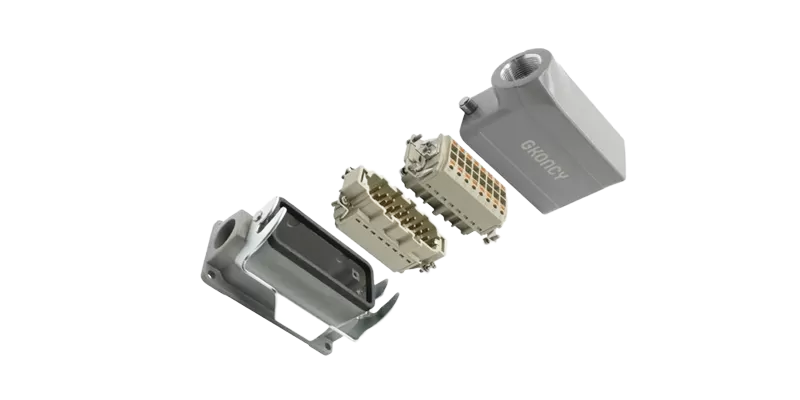
As a key basic component in the electrical connection system, the input terminal plays an important role in connecting external power or signal to the device.
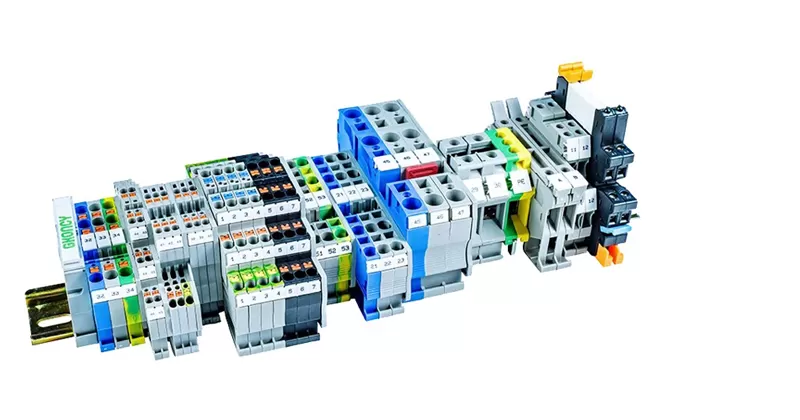
Choosing the right connector:
First, you need to identify the application scenario. For example, automotive electronics require vibration-resistant and highly waterproof connectors.
Meet the electrical performance requirements, including current carrying capacity and temperature rise and fall ratings.
Mechanical structure considerations include the torsional bearing capacity of screw terminals and the insertion and removal force of cage-type spring terminals. Consider the product's fatigue resistance and ease of operation.
Environmental adaptability, including the product's resistance to moisture, heat, and aging.
When selecting terminal blocks, first confirm the wiring method, then consider the electrical parameters, and finally consider the wiring method.
This problem is quite widespread. For example, screw-type terminal blocks require crimping according to the specified torque value; direct-plug wiring requires multi-strand flexible wires to have crimped ends; when installing the terminal blocks on the guide rails, the fixing feet must be installed first, etc.
Loose wires: 1. The operator did not follow the wiring specifications; 2. The terminal blocks are used in equipment subject to vibration and require regular inspection.
High contact resistance: 1. The wires are loose; 2. The conductive parts are oxidized.
1. Insufficient space makes wiring difficult; 2. The guide rail size is unqualified; 3. The fixing feet are not locked first when installing the terminal.
Leave a message!
 English