Language

Current Language
    Change Language

    Top Things Importers Should Know Before Buying DIN Rail Terminal Blocks

    Release time: 2026-04-30

    For electrical component importers, system integrators, and distributors, selecting the right DIN Rail Terminal Blocks is not just about project safety—it directly impacts long-term operational costs and brand reputation. In a highly competitive global market, low prices often come with hidden costs.

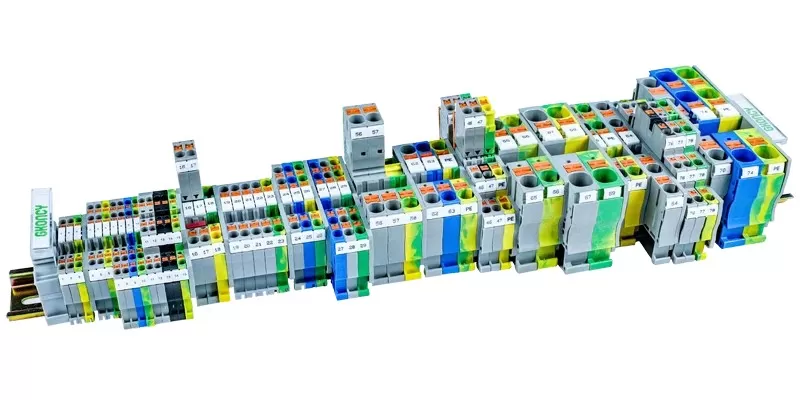
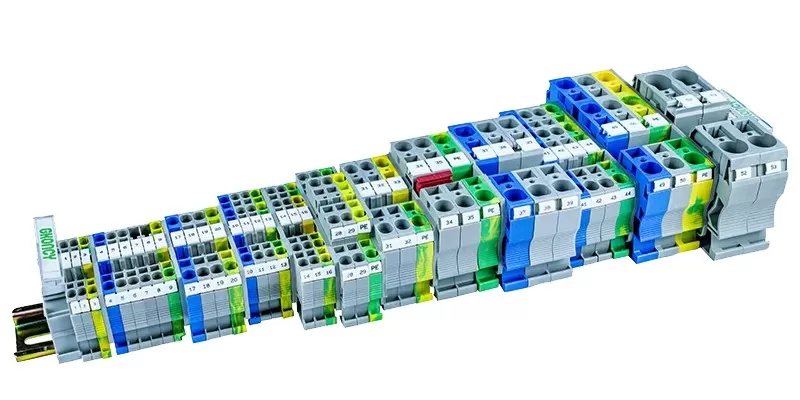
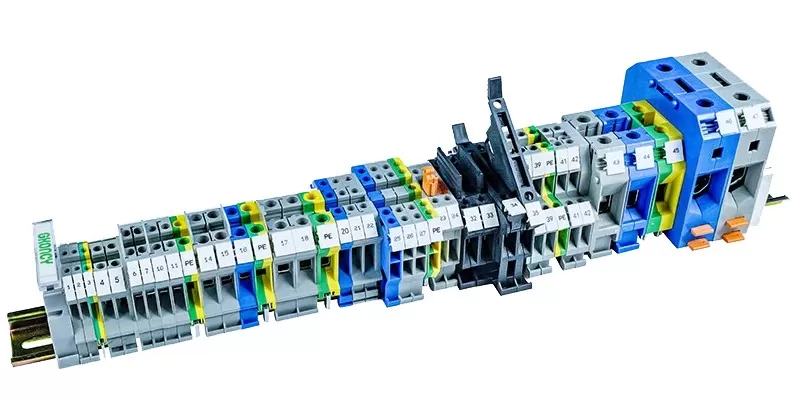
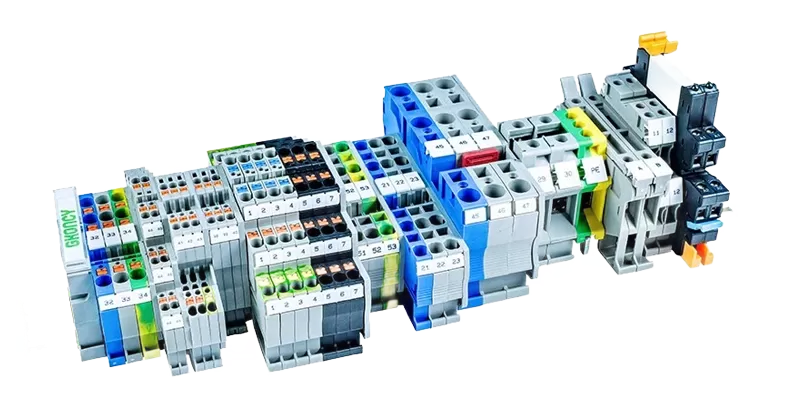
    Din Rail Terminal blocks

    As a leading industry supplier, Gkoncy has compiled this professional guide to help importers perform effective quality assessments and risk management before placing an order.

    1. Material Defines Performance: Insulation and Conductors

    In electrical connections, the purity and quality of materials are the decisive factors.

    • Insulation Housing: High-quality terminals should be made of PA66 (Nylon). Compared to cheap recycled plastics, premium PA66 offers excellent flame retardancy (UL94 V-0 rating), high toughness, and resistance to aging and cracking.
    • Conductive Metal Parts: Inspect the clamping yoke and conductive strip. Quality terminals utilize electrolytic copper or high-conductivity brass, finished with nickel or tin plating. This provides lower contact resistance and superior rust protection in humid or corrosive environments.

    2. Choosing the Right Connection Technology: Screw vs. Spring

    Select the appropriate technology based on your target market’s specific needs:

    • Screw Connection Technology: The most widely used worldwide, offering extremely high clamping force and excellent vibration resistance, making it ideal for large-gauge cables.
    • Push-in/Spring Connection Technology: The current industry trend. Its biggest advantage is reducing installation time by over 50%. It offers fatigue resistance and eliminates the need for periodic re-tightening of screws, making it perfect for high-frequency maintenance environments.

    3. International Certifications: The Key to Global Trade

    Without the proper certifications, your products may be intercepted by customs or barred from entering certain markets.

    • Core Certifications: Ensure products have passed CE (Europe), UL/cUL (North America), and comply with RoHS/REACH (Environmental Protocols).
    • Standard Compliance: Products should adhere to IEC 60947-7-1 and other international standards. This is not just a legal requirement but a guarantee of performance and interchangeability.

    4. Specification Compatibility: Pitch and Mounting Width

    Importers must verify the physical suitability of the terminals for their intended applications.

    • DIN Rail Compatibility: Check for compatibility with standard 35mm rails (TS35).
    • Space Efficiency: Modern control cabinets demand miniaturization. High-density multi-level terminals (Double-level/Triple-level) can provide significantly more connection points within a limited space.

    5. Supply Chain Reliability and Wholesale Capability

    Look for a partner with large-scale production capacity and extensive experience.

    • Wholesale Support: Reliable suppliers like Gkoncy support high-volume orders and provide customized identification options, such as terminal marking and custom color-coding, based on project requirements.
    • Export Expertise: Suppliers with over 20-30 years of export experience are more familiar with international logistics, packaging standards, and customs policies, significantly reducing your customs clearance risks and shipping losses.

    6. Completeness of Accessories

    A complete terminal solution includes more than just the terminal itself.

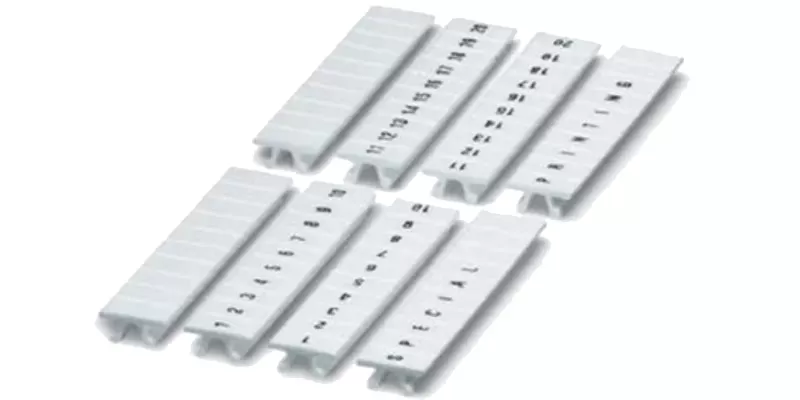
    • Check if the supplier provides a full range of accessories: End Covers, Partition Plates, Jumper Bars, and Marker Tags. One-stop sourcing ensures that all accessories have matching tolerances, reducing installation errors.

    Why Choose Gkoncy as Your Global Terminal Partner?

    Gkoncy has been deeply involved in electrical connection technology for decades. We provide high-quality DIN Rail Terminal Blocks compliant with UL/CE standards and leverage over 30 years of export experience to provide efficient wholesale supply chain support for global clients.

    Frequently Asked Questions (FAQ)

    Q1: What is the difference between PA66 and common plastics like ABS?

    A1: PA66 has a higher continuous operating temperature (up to 105°C) and superior self-extinguishing capabilities. If an electrical fault generates heat, PA66 will not produce an open flame or dripping sparks, whereas materials like ABS burn easily and release toxic fumes.

    Q2: How can I test the clamping strength of a terminal block?

    A2: Importers can conduct a Pull-out test. After clamping a wire of the rated gauge into the terminal, use a tension meter to pull vertically. A qualified terminal must withstand the minimum pull force specified by IEC standards without the wire slipping out.

    Q3: Why is the plating quality of DIN rail terminals so important?

    A3: The plating layer (usually nickel or tin) prevents the internal copper parts from oxidizing. Once copper oxidizes and creates “verdigris,” contact resistance increases rapidly, leading to joint heating and potential fire hazards.