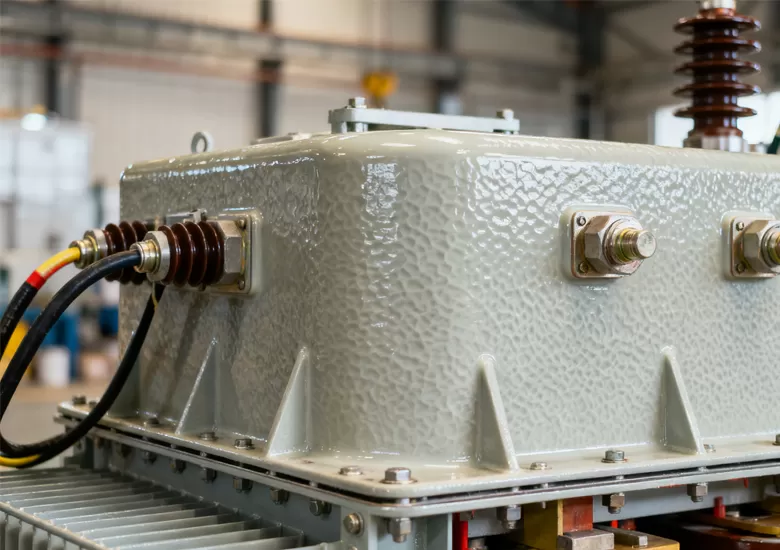
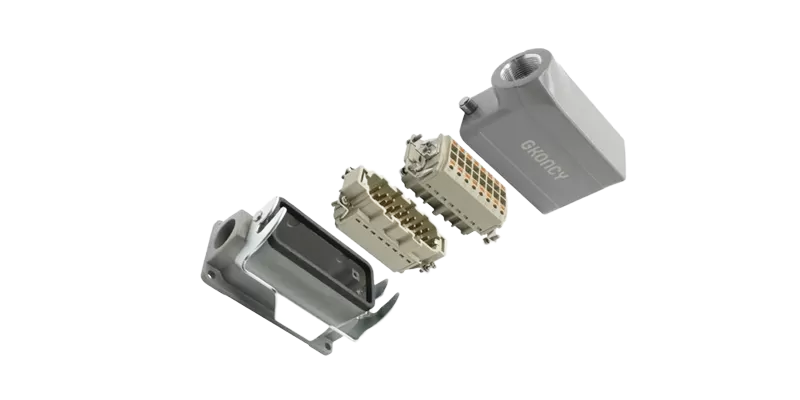
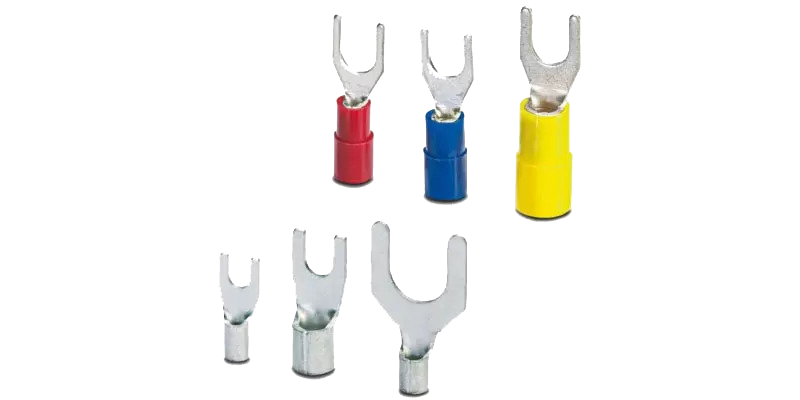
Premium materials selected for quality and durability.
High-precision molds and efficient manufacturing processes.
R&D focused on cost efficiency and secure wiring solutions.

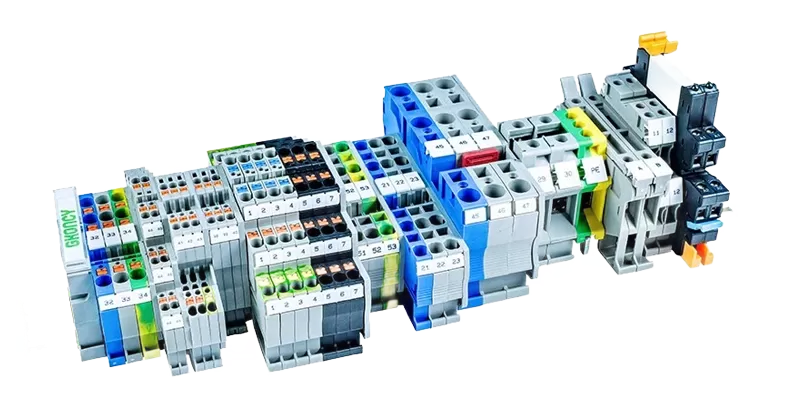
Tool-Free Push-In Terminal
Insert rigid conductors or crimped flexible conductors directly — no tools, no hassle.

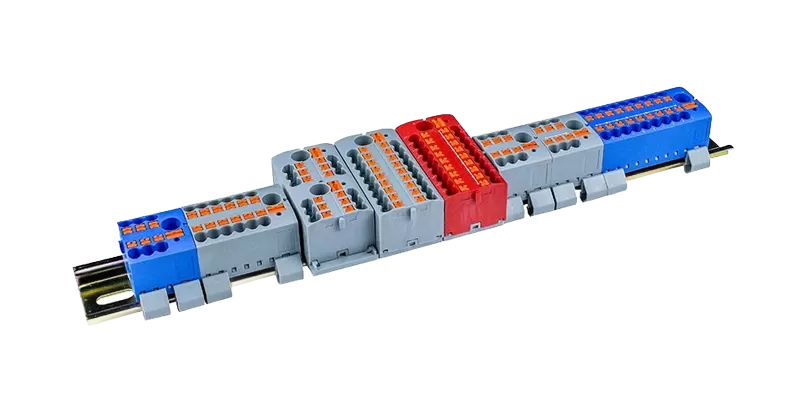
Easy Installation and High Efficiency
Modular design eliminates manual bridging for faster setup. Lower insertion force enables direct connection of rigid and multi-strand conductors.

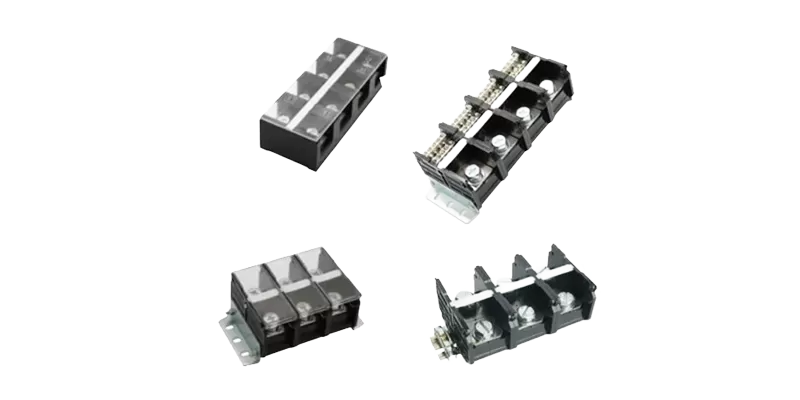
Durable and Cost-Effective
Screw terminals are the standard in electrical connections. Simple, reliable, and easy on the budget.
Shock, Wear & Corrosion Resistant
The input terminal connects external power and signals to your device.
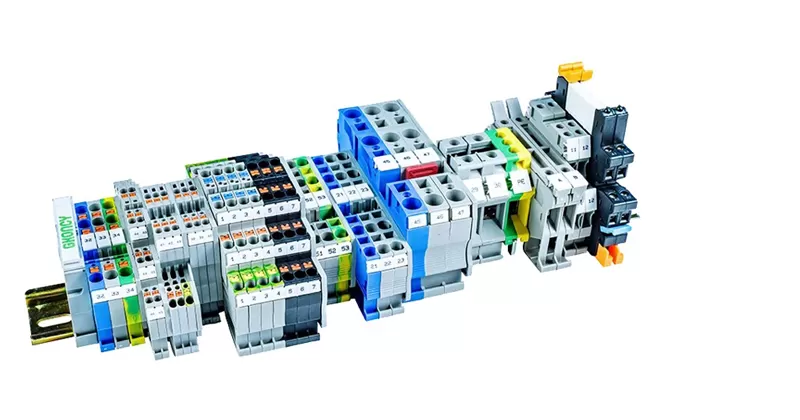
Key selection criteria:
Application environment – Identify the operating conditions. For example, automotive electronics demand vibration-resistant, high-waterproof connectors.
Electrical performance – Meet requirements for current-carrying capacity and operating temperature range.
Mechanical structure – Evaluate torque resistance for screw terminals, insertion and withdrawal forces for spring-cage terminals, as well as mechanical endurance and ease of use.
Environmental adaptability – Ensure resistance to moisture, heat, and aging.

Start by confirming the wiring method, then evaluate the electrical parameters, and finally consider the mechanical and environmental requirements for your application.
Screw-type: tighten to specified torque.
Push-in: use crimped ferrules for stranded wires.
DIN rail mounting: secure retaining clips before installation.
Possible causes:
Loose connections – Caused by improper wiring installation or vibration in operating equipment. Regular inspection is recommended.
High contact resistance – Caused by loose wires or oxidized conductive parts. Check and tighten connections, and clean or replace oxidized components.
Limited space – Insufficient clearance can make wiring difficult.
Non-standard DIN rail – Ensure the rail meets dimensional specifications.
Incorrect mounting procedure – Always secure the retaining clips before snapping the terminal onto the rail.
Leave a message!

 English